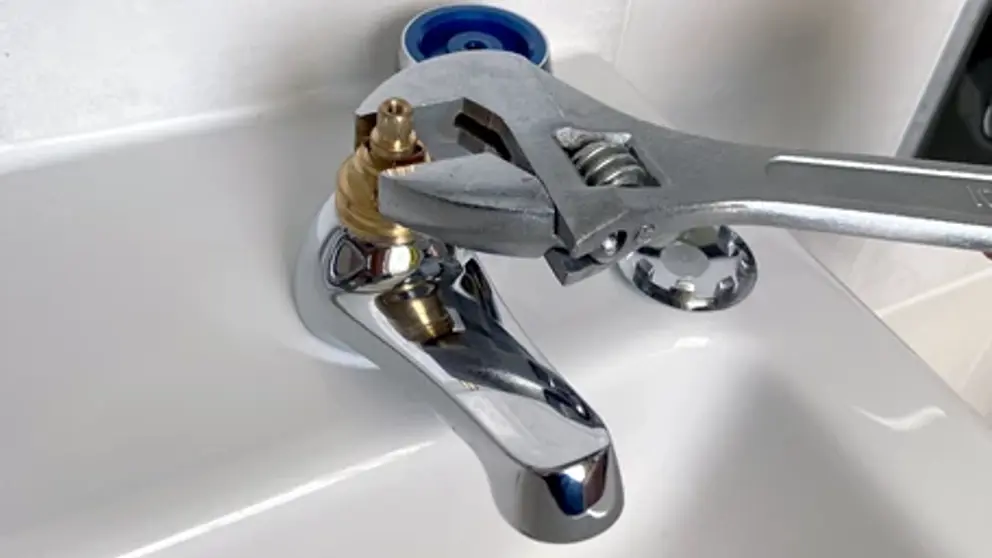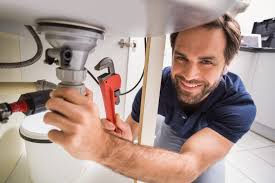
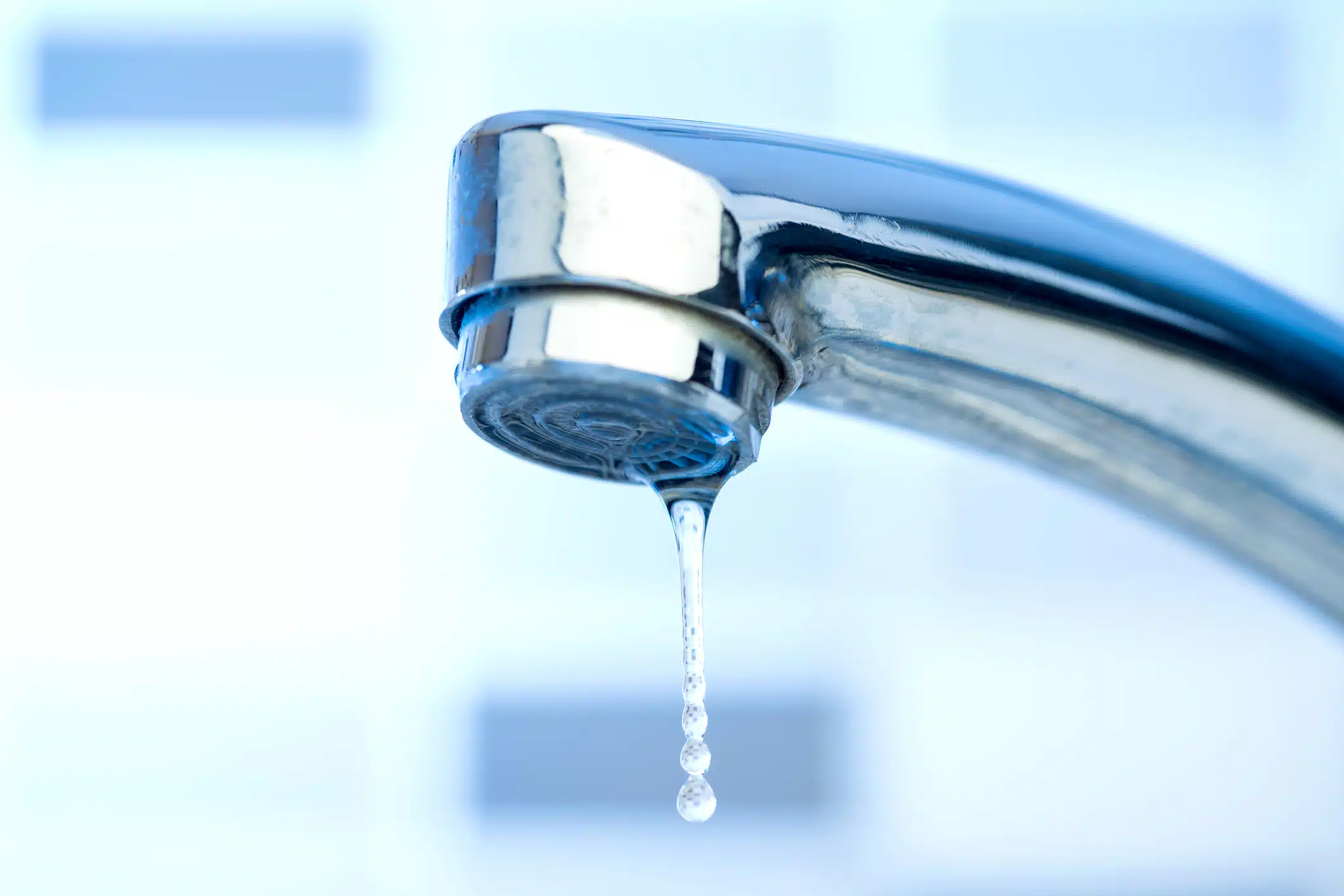
Low water pressure can turn simple daily activities — like showering, washing dishes, or watering the lawn — into frustrating tasks. Whether the issue affects one faucet or your entire home, low pressure often signals an underlying plumbing problem that needs attention. Understanding the root cause can help you find the right fix, prevent damage, and restore smooth water flow.
Below are 7 of the most common causes of low water pressure in homes and practical solutions for each.
1️⃣ Mineral Buildup Inside Pipes
Over time, minerals like calcium and lime can settle inside your plumbing pipes — especially if you have hard water. As buildup thickens, water flow is restricted, reducing pressure.
✅ How to Fix
-
Soak faucet aerators and showerheads in vinegar to remove deposits.
-
If the issue is widespread, you may need professional pipe descaling or repiping.
-
Installing a water softener can prevent future buildup.
2️⃣ Partially Closed or Faulty Shut-Off Valves
After plumbing repairs or renovations, valves may not be fully reopened. Even a slightly closed valve can drastically reduce flow.
✅ How to Fix
-
Check the main water supply valve (usually near the meter).
-
Inspect the internal shut-off valve behind sinks or toilets.
-
Ensure both are opened fully for maximum water flow.
3️⃣ Leaking Pipes
A leak somewhere in your plumbing system means less water reaches taps, lowering pressure. Leaks can also cause damp walls, mold, or high water bills.
✅ How to Fix
-
Look for visible signs of leaks around pipes.
-
Check your water meter:
-
Turn off all water fixtures;
-
If the meter still moves → you have a leak.
-
-
Contact a licensed plumber ASAP to prevent structural damage.
4️⃣ Corroded or Aging Plumbing
Older homes with galvanized steel pipes often face corrosion inside the pipes. Rust buildup narrows the pathway for water, decreasing pressure.
✅ How to Fix
-
Replace old steel pipes with PVC, copper, or PEX.
-
If replacements are too costly, replace the most affected sections first.
5️⃣ Water Pressure Regulator Issues
A pressure-reducing valve controls water pressure entering your home. If it malfunctions, it may cause sudden weak water flow everywhere.
✅ How to Fix
-
Inspect the regulator (usually by the main supply line).
-
If faulty, hire a plumber to calibrate or replace it.
-
DIY replacement isn’t recommended due to pressure hazards.
-
6️⃣ Municipal Water Supply Problems
Sometimes the problem isn’t inside your home — it’s in the external supply. Local repairs, peak usage times, or city system issues can affect everyone in your neighborhood.
✅ How to Fix
-
Check with neighbors — if they also have low pressure, call your local water authority.
-
Consider installing a booster pump at home for consistent pressure.
7️⃣ Clogged Aerators or Showerheads
Dirt, debris, and mineral deposits can block tiny holes in aerators, reducing water output from one fixture.
✅ How to Fix
-
Unscrew the aerator or showerhead.
-
Clean parts by soaking in vinegar for 30–60 minutes.
-
Replace if cleaning doesn’t help — very affordable upgrade!
✅ Final Thoughts
Low water pressure may start as a small inconvenience, but ignoring it can lead to bigger problems — like leaks, water damage, or major pipe replacement. Identifying the cause early ensures your plumbing system stays efficient and your home remains comfortable.
If your water pressure suddenly drops or stays consistently low even after trying the fixes above, professional diagnosis is the safest option.
Need Reliable Plumbing Help?
If you’re in Evans City and nearby areas, our expert plumbers are ready to inspect, repair, and restore your water pressure quickly — with long-lasting solutions you can trust.
📞 Contact us today for fast, friendly service!